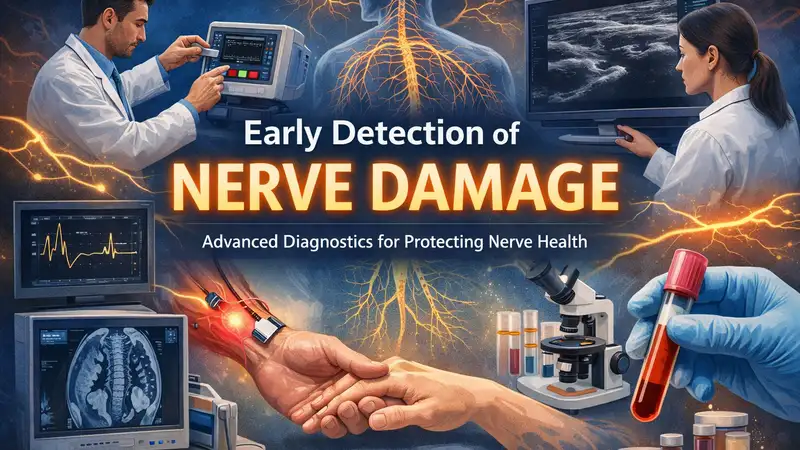
Nerve damage often develops slowly, starting with subtle tingling, numbness, or burning sensations. But by the time symptoms become noticeable or disruptive, significant damage may already have occurred. Today, modern clinics use advanced diagnostic tools to detect nerve impairment early, before symptoms worsen and become harder to reverse. Early detection helps protect nerve health, prevent complications, and guide more effective treatment options.
Why Early Diagnosis Matters
Nerves are responsible for transmitting signals between the brain, spinal cord, and the rest of the body. When nerves are damaged due to injury, illness, inflammation, or metabolic conditions like diabetes, these signals become disrupted. If left undiagnosed, nerve damage can progress and become permanent, leading to chronic pain, mobility issues, or even loss of sensation. Early diagnosis gives doctors the opportunity to halt progression, treat underlying causes, and preserve nerve function.
How Clinics Detect Nerve Damage Early
Modern clinics use a combination of clinical evaluation, functional testing, and advanced imaging to assess nerve health.
1: Detailed Medical History and Physical Exam
The diagnostic process starts with a thorough discussion about symptoms, lifestyle, medical history, and potential risk factors such as diabetes, autoimmune conditions, or previous injuries. During a physical exam, doctors check for muscle strength, reflex changes, temperature sensitivity, and sensations like numbness, tingling, or pain.
2: Electromyography (EMG)
Electromyography measures the electrical activity in muscles to determine how well nerves are communicating with them. By inserting a fine needle electrode into specific muscles, doctors can detect abnormalities that indicate nerve dysfunction even before symptoms become obvious.
3: Nerve Conduction Studies (NCS)
Often performed alongside EMG, nerve conduction studies measure the speed and strength of electrical impulses traveling through nerves. Slowed or weakened signals suggest nerve injury or diseases like peripheral neuropathy. NCS is especially helpful in diagnosing early-stage nerve issues that are not yet visible through physical symptoms.
4: Quantitative Sensory Testing (QST)
QST evaluates how nerves respond to different sensory stimuli, including temperature, vibration, and pressure. This test helps detect small fiber nerve damage, which often causes burning pain and altered temperature sensitivity.
5: Ultrasound and MRI Imaging
Imaging technologies like high-resolution nerve ultrasound and MRI allow clinicians to view nerves visually. These tools help detect structural problems such as compression, inflammation, or nerve entrapment. Imaging is especially useful for identifying injuries from repetitive motion, trauma, or pinched nerves.
6: Skin Biopsy for Small Fiber Neuropathy
Some types of nerve damage are not easily detected through EMG or NCS. In these cases, a skin biopsy is used to examine nerve fiber density. Reduced nerve fibers indicate early-stage neuropathy before significant symptoms appear.
7: Blood Testing and Lab Analysis
Blood tests help identify underlying causes of nerve damage, such as vitamin deficiencies, autoimmune disorders, diabetes, toxin exposure, or infections. Treating these root causes early can prevent progressive nerve deterioration.
Early Detection Leads to Better Outcomes
With today’s diagnostic tools, nerve damage doesn’t have to go unnoticed until it becomes serious. Early testing allows healthcare providers to identify nerve dysfunction, determine its cause, and begin treatment before long-term complications set in. The earlier nerve damage is diagnosed, the better the chances of slowing, managing, and even reversing its effects, leading to greater comfort, mobility, and quality of life. For more information, visit our website.